

Walk into any modern grocery store or farmers’ market today, and you’ll notice something interesting: not all vegetables are treated equally. Some are stacked in ordinary bins with a simple price tag, while others sit in curated displays, wrapped with care, carrying a noticeably higher price — and the label “premium.” But what actually separates an ordinary carrot from a premium one? Is it just clever marketing, or is there real substance behind the term?
This is a question more consumers are asking as health-consciousness rises and people become willing to pay more for food they trust. Understanding what makes Premium Vegetables genuinely different — not just in price but in quality — can help you make smarter choices at the store, in your kitchen, and even in your own garden or farm.
In this comprehensive guide, we’ll break down every factor that contributes to vegetable quality, explain how premium produce is grown and handled differently, and help you understand why the extra cost is often justified.
Defining “Premium” in the World of Vegetables
The word “premium” gets used loosely across many industries, but when it comes to food — and vegetables specifically — it should mean something concrete. Premium Vegetables are not simply vegetables with a fancy label. They represent a combination of superior genetics, ideal growing conditions, meticulous farming practices, careful harvesting, and rigorous quality control that together produce a vegetable with better taste, texture, appearance, and nutritional density than mass-produced alternatives.
In other words, premium status isn’t a marketing gimmick (though it can be misused as one) — it’s the end result of dozens of small decisions made correctly, from the moment a seed is chosen to the moment the vegetable reaches your plate.
Let’s explore the specific factors that separate premium produce from the ordinary.
1. Seed Genetics and Variety Selection
Every vegetable begins its journey long before it touches soil — it begins with a seed. Premium vegetable production almost always starts with carefully selected seed varieties known for superior flavor, texture, color, or nutritional content, rather than varieties bred purely for high yield, long shelf life, or resistance to rough mechanical harvesting.
For example, heirloom tomato varieties are often chosen for their complex, layered flavor profiles even though they may be more fragile or produce lower yields than commercial hybrids. Similarly, specific varieties of carrots, potatoes, or leafy greens are selected because they have a naturally sweeter taste, better crunch, or richer color — all traits that directly affect the eating experience.
This is one of the most overlooked aspects of premium quality. Two carrots can be grown in identical soil and climate conditions, but if one comes from a variety selected for flavor and the other from a variety selected for shelf stability, the difference in taste can be significant.
2. Soil Health and Nutrient Management
If seeds are the foundation of a plant’s genetic potential, soil is the foundation of its actual growth. Healthy, nutrient-rich, well-balanced soil is one of the single biggest contributors to vegetable quality.
Premium vegetable farms typically invest heavily in soil health through:
- Crop rotation to prevent nutrient depletion and reduce pest buildup
- Organic matter enrichment using compost, cover crops, and natural amendments
- Balanced mineral content, ensuring vegetables absorb the right ratio of nitrogen, phosphorus, potassium, calcium, and trace minerals
- Proper soil pH management, which affects how well plants can absorb nutrients
- Reduced chemical dependency, allowing natural soil microbiology to thrive
Vegetables grown in depleted, chemically-dependent soil often grow faster but with diluted flavor and lower micronutrient density. In contrast, vegetables grown in rich, living soil tend to develop deeper flavor compounds and higher nutritional value — a difference you can genuinely taste.

3. Growing Conditions: Climate, Water, and Sunlight
Even with excellent seeds and soil, a vegetable’s quality is heavily shaped by the environment it grows in. Premium Vegetables are often grown in regions or microclimates that are naturally suited to that specific crop, rather than being forced into unsuitable conditions through excessive irrigation or artificial inputs.
Key environmental factors include:
- Temperature consistency — many vegetables develop better sweetness and texture when grown in stable, moderate temperatures rather than extreme heat or cold stress.
- Water management — controlled, consistent irrigation (rather than erratic flooding or drought stress) allows vegetables to develop properly without becoming waterlogged or fibrous.
- Sunlight exposure — adequate sunlight supports proper photosynthesis, which directly impacts sugar content and flavor development, especially in fruiting vegetables like tomatoes, peppers, and squash.
- Altitude and regional terroir — similar to wine grapes, some vegetables develop distinct, superior flavor profiles when grown at specific altitudes or in specific regional soils.
This is why you’ll often see premium vegetables marketed with a specific growing region attached — not as a gimmick, but because that region’s climate genuinely produces a better product.
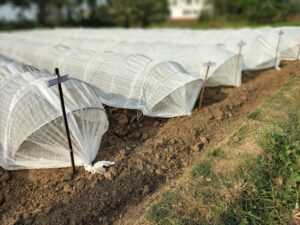
4. Farming Practices: Sustainable, Organic, and Precision Agriculture
How a vegetable is farmed matters just as much as where it’s farmed. Several farming methodologies are strongly associated with premium quality:
Organic and Regenerative Farming
Organic farming avoids synthetic pesticides and fertilizers, relying instead on natural pest control and soil-building techniques. Regenerative agriculture goes a step further, actively working to restore soil health and biodiversity over time. Vegetables grown this way often develop more complex flavors and higher antioxidant levels, since the plant must develop its own natural defenses rather than relying on chemical protection.
Hydroponic and Controlled Environment Agriculture (CEA)
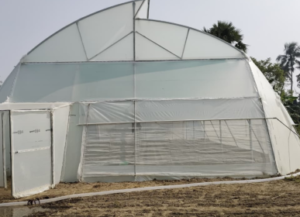
On the other end of the spectrum, some premium vegetables — particularly leafy greens, herbs, and tomatoes — are grown in highly controlled hydroponic or greenhouse systems. These environments allow precise control over nutrients, humidity, temperature, and light, producing extremely consistent, clean, and often more tender produce with minimal pesticide use.
Precision Agriculture
Larger premium producers increasingly use precision agriculture — data-driven farming that uses soil sensors, satellite imaging, and weather modeling to apply exactly the right amount of water and nutrients at exactly the right time. This reduces stress on the plant and results in more uniform, higher-quality yields.
Low-Density Planting
Premium farms often plant at lower density than commercial mass producers, giving each plant more room, light, and nutrients. This typically results in larger, more flavorful vegetables, even though it reduces the total yield per acre — a trade-off premium producers are willing to make for quality.
5. Harvesting Practices and Timing
One of the most critical, yet invisible, factors behind Premium Vegetables is harvest timing. Vegetables harvested at peak ripeness have significantly better flavor, texture, and nutritional content than those picked early to survive long shipping times.
Premium producers typically:
- Harvest by hand rather than by machine, reducing bruising and physical damage
- Pick vegetables at their optimal ripeness window rather than days or weeks early
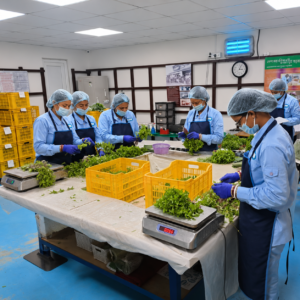
- Sort and grade produce immediately after harvest to remove any damaged or subpar items
- Minimize the time between harvest and cold storage to lock in freshness
Mass-market vegetables, by contrast, are often harvested underripe so they can survive days or weeks in transit, ripening artificially (or not at all) before reaching store shelves. This is why a tomato picked green and gassed to turn red rarely tastes as good as one that ripened naturally on the vine.
6. Appearance, Uniformity, and Visual Quality
While flavor and nutrition matter most, visual appeal is still part of what defines a premium vegetable — because appearance often reflects underlying quality. Premium vegetables are typically:
- Uniform in size, shape, and color
- Free from blemishes, cracks, or discoloration
- Vibrant in color, indicating proper ripening and nutrient content
- Firm and free from soft spots, wilting, or shriveling
It’s worth noting that uniform appearance doesn’t automatically mean premium quality — some highly flavorful heirloom varieties are intentionally irregular in shape. However, within any given variety, consistent, blemish-free, vibrant produce is a strong visual indicator of careful growing and handling.
7. Taste and Flavor Complexity
Ultimately, taste is the factor most consumers care about — and it’s often the clearest sign of true premium quality. Premium Vegetables tend to have:
- Higher natural sugar content (in vegetables like carrots, corn, and tomatoes)
- More pronounced, complex flavor notes rather than a flat or watery taste
- Better texture — crisper, more tender, or more succulent depending on the vegetable
- Less bitterness in vegetables prone to becoming bitter when stressed or overripe (like certain greens)
This flavor difference comes directly from everything discussed above: better genetics, richer soil, ideal growing conditions, and proper harvest timing all combine to produce a vegetable that simply tastes better.
8. Nutritional Density
Interestingly, research increasingly suggests that how a vegetable is grown significantly affects its nutrient content — not just its taste. Vegetables grown in nutrient-rich soil, harvested at peak ripeness, and handled with minimal delay tend to retain higher levels of vitamins, minerals, and antioxidants compared to vegetables grown in depleted soil or harvested prematurely.
Premium vegetable producers often emphasize this nutritional density as a core selling point, since consumers today are increasingly focused on food as a source of long-term health rather than just short-term satisfaction.
9. Post-Harvest Handling and Cold Chain Management
Growing a great vegetable is only half the battle — how it’s handled after harvest determines whether that quality actually reaches the consumer. Premium vegetable supply chains typically invest in:
- Rapid cooling immediately after harvest to slow down the natural degradation process
- Consistent cold chain logistics, ensuring vegetables stay at optimal temperature and humidity throughout transport
- Minimal handling and shorter supply chains, reducing the number of times produce is touched, packed, and repacked
- Careful packaging that protects vegetables from bruising, moisture loss, or contamination
A vegetable that was grown perfectly but left sitting in a hot truck for days will lose much of its premium quality by the time it reaches the shelf. This is why premium vegetable brands often emphasize “farm to table” timelines — shorter time between harvest and purchase generally means better quality.
10. Sustainability and Ethical Farming Practices
Modern consumers increasingly associate “premium” with sustainability and ethical production. Vegetables grown using environmentally responsible practices — such as water conservation, reduced chemical runoff, biodiversity preservation, and fair labor practices — are often marketed and perceived as premium, even beyond their taste or appearance.
This shift reflects a broader change in how people define value: premium is no longer just about how something tastes or looks, but also about how it was produced and its impact on the planet and the people who grew it.
11. Freshness and Shelf Life
Freshness is one of the most immediate, tangible signs of premium quality. A truly fresh vegetable — one that hasn’t spent excessive time in storage or transit — will typically:
- Have a firmer texture
- Retain a more vibrant color
- Smell more fragrant and “alive”
- Last longer once purchased, if stored properly
Premium producers prioritize freshness by minimizing supply chain length, which is why locally grown premium vegetables often outperform imported ones, even when the imported version is technically a “premium” labeled product.
Premium vs. Regular Vegetables: A Side-by-Side Comparison
To summarize the differences discussed above, here’s how premium vegetables generally compare to standard, mass-market produce:
| Factor | Standard Vegetables | Premium Vegetables |
|---|---|---|
| Seed variety | Chosen for yield and shelf life | Chosen for flavor and quality |
| Soil | Often chemically dependent | Nutrient-rich, well-managed |
| Growing conditions | Standardized, high-density | Optimized for the specific crop |
| Harvest timing | Early, for transport durability | At peak ripeness |
| Handling | Multiple touchpoints, longer transit | Minimal handling, shorter supply chain |
| Appearance | Inconsistent | Uniform, vibrant |
| Taste | Often mild or watery | Rich, complex flavor |
| Price | Lower | Higher, reflecting quality investment |
Why Premium Vegetables Are Worth the Investment
Given everything above, it’s easier to understand why premium vegetables command a higher price — and why that price is often justified rather than purely a marketing markup. You’re not just paying for a vegetable; you’re paying for better genetics, healthier soil, more careful farming, optimal harvest timing, shorter supply chains, and often more sustainable and ethical production practices.
For health-conscious consumers, the added nutritional density alone can make premium vegetables a worthwhile investment. For those who care about flavor — whether they’re passionate home cooks or professional chefs — the taste difference is often immediately noticeable, especially in vegetables like tomatoes, carrots, and leafy greens, where flavor development is highly dependent on growing conditions and ripeness.
And for consumers increasingly concerned about sustainability, premium vegetables often reflect the ethical and environmentally responsible farming practices that mass-produced alternatives simply cannot offer.
How to Identify Genuinely Premium Vegetables
With the term “premium” sometimes used loosely in marketing, it helps to know what to actually look for:
- Ask about growing practices — organic, regenerative, or sustainably farmed produce is often a sign of extra care.
- Look at the source — locally grown, traceable produce is often a strong indicator of quality.
- Inspect appearance — firm texture, vibrant color, and minimal blemishes are good signs.
- Smell the produce — fresh vegetables often have a more noticeable, natural aroma.
- Ask about harvest timing — farmers’ markets and specialty grocers can often tell you when produce was picked.
- Taste test when possible — ultimately, flavor is the clearest indicator of true premium quality.
Conclusion
What makes a vegetable premium isn’t a single factor — it’s the sum of many careful decisions made throughout the entire growing and supply chain process. From selecting the right seed variety and nurturing healthy soil, to optimizing growing conditions, harvesting at peak ripeness, and handling produce with care all the way to the consumer, every step contributes to the final quality of the vegetable on your plate.
Premium Vegetables represent more than just a higher price tag — they represent a commitment to better flavor, higher nutritional value, more sustainable farming practices, and greater transparency in how our food is grown. As consumers become more educated about these factors, the demand for genuinely high-quality, responsibly grown produce will likely continue to rise, pushing more farmers and producers toward the practices that create real premium quality — not just the label.
The next time you’re deciding between a standard vegetable and a premium one, you’ll now know exactly what you might be paying for — and why, in many cases, it’s worth every extra cent.